
HOME NOTES / HANDYMAN AND BUILDERS, HANDYMAN IN LONDON
Ready for the next chapter.
A room-by-room plan for repairs, cleaning and the details people notice on arrival.
IN THIS ARTICLE
Preparing a property for new occupants involves several different jobs, even when the rooms initially look presentable. Some things need repairing, others need cleaning, and a few simply need clearing away. Treating them as one hurried final tidy makes it easy to overlook a defect or repeat work. A room-by-room list helps keep the condition of the property separate from the way it is arranged for a viewing or handover.
Walk through it as someone new would.
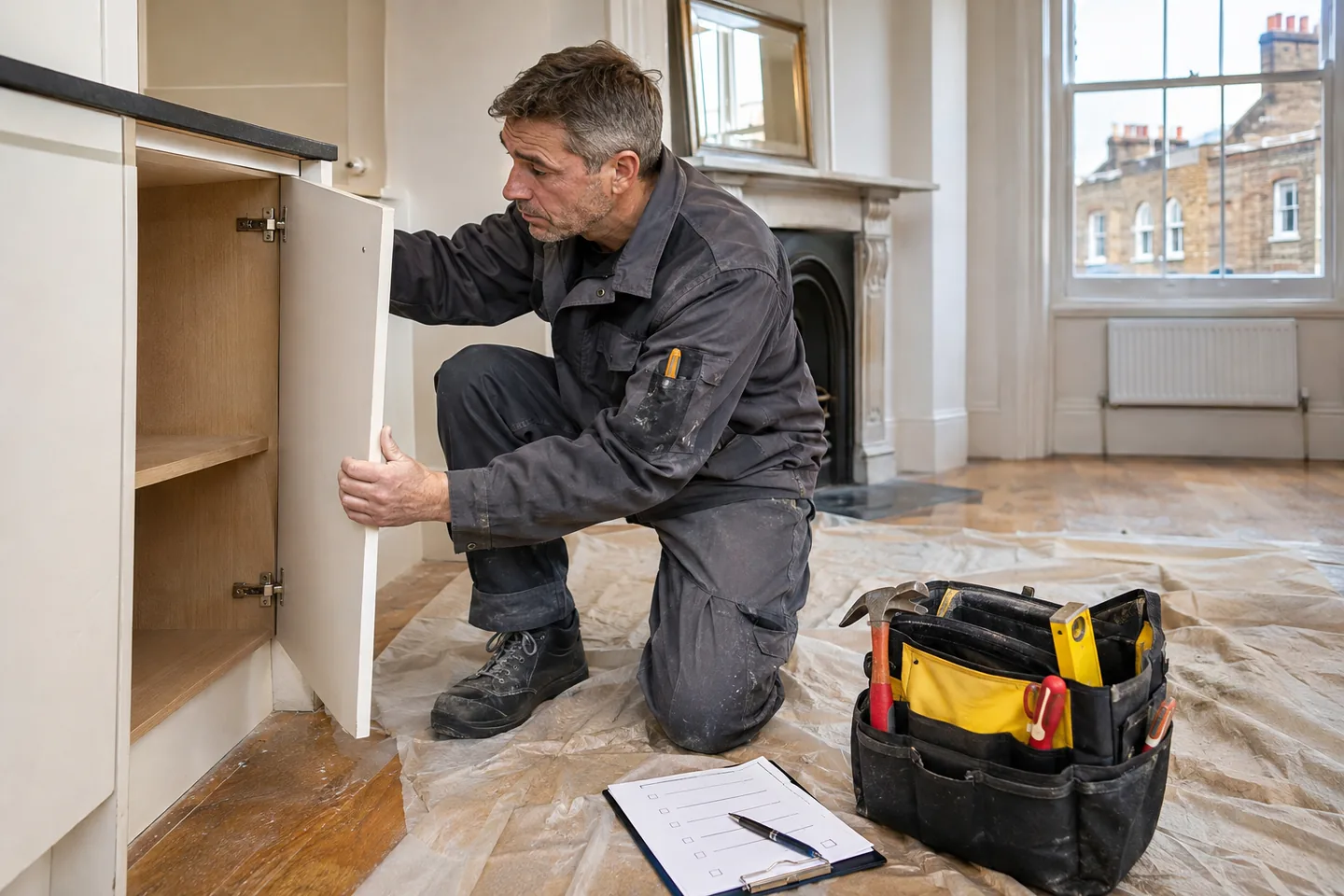
Start at the entrance and follow the route into each room. Notice a sticking latch, a loose handle, a shelf that feels insecure or a mark around a water fitting. Open cupboards that are intended to be available to the next occupant. The point is not to make the property look newly built; it is to identify the everyday functions that will be used after the keys change hands.
Record defects in plain language and take photographs where they clarify the problem. A description such as “the left cupboard door catches on the drawer” is more useful than “kitchen needs attention”. Keep any existing inventory or agreed list of work available, and distinguish an observed issue from a repair that has already been approved. This is particularly helpful when a landlord, agent and occupant are all involved.
Put repairs before the final clean.
Painting, drilling and adjustments to fittings can disturb surfaces that have just been cleaned. Discuss the order of work before booking separate visits. If a wall needs attention after a fitting is removed, that should be considered alongside any planned decorating rather than discovered at the end. Larger or more involved defects may need their own assessment instead of being treated as touch-ups.
The carpentry and repairs page is a useful starting point for doors and suitable wooden fittings. For a tap, basin or visible leak, use the plumbing service information. Describing the actual work prevents an appointment from being booked under a general heading that does not explain which trade is needed.
Look beyond the obvious surfaces.
A property can appear clean at a glance while cupboards, appliance interiors or areas behind movable furniture still need attention. Make a separate cleaning list so these tasks are not lost among repairs. Think about what will remain in the property and what is being removed. Empty storage is easier to review than a cupboard that is still packed with belongings.
Cleaning is also a chance to notice condition more clearly. A stain that remains after cleaning, an area of damaged sealant or a worn surface may need a different response from ordinary dirt. Do not try to disguise an unresolved problem with fragrance or a decorative accessory. A clear record of its condition is more useful to everyone involved in deciding what should happen next.
Improve the welcome without inventing a makeover.
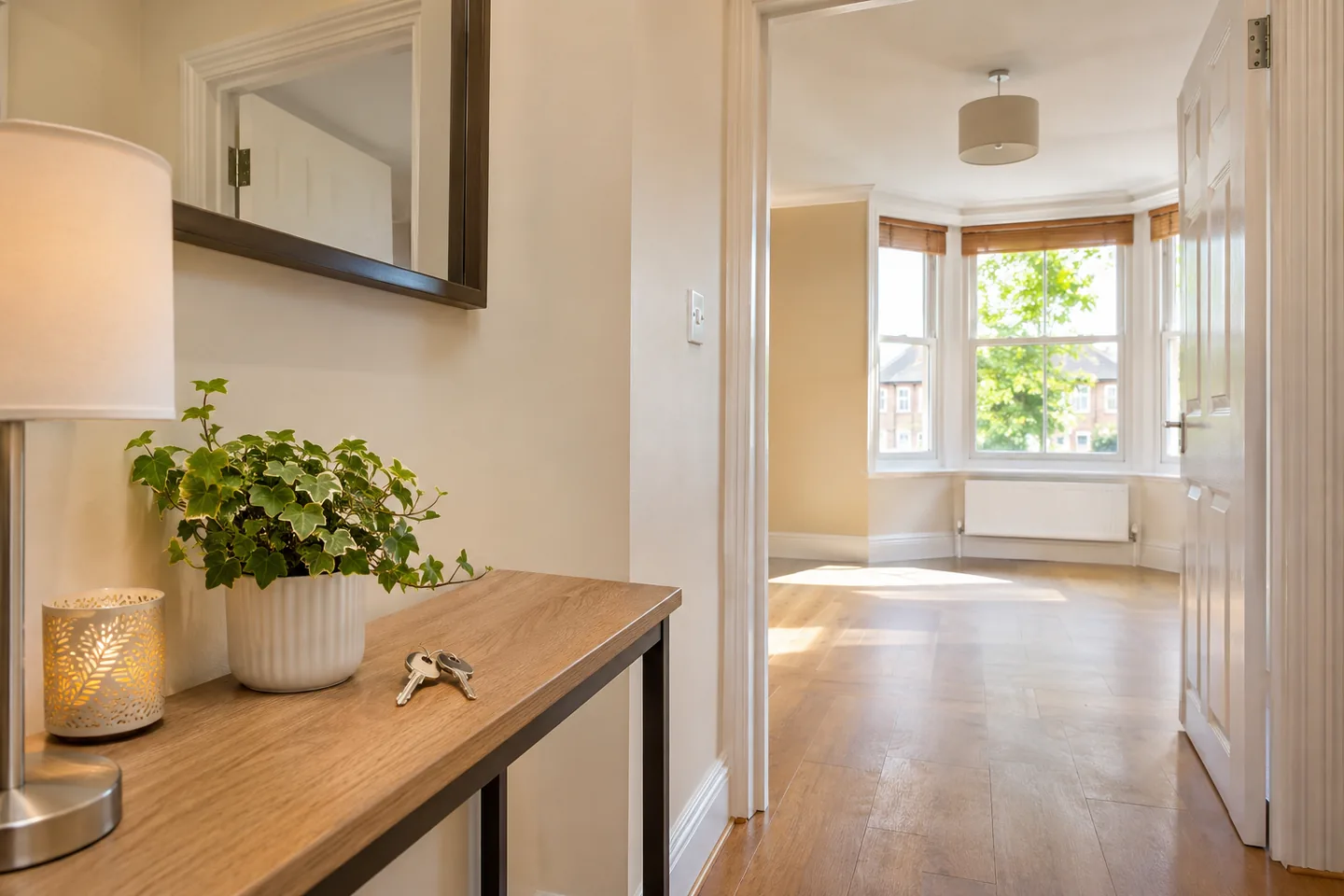
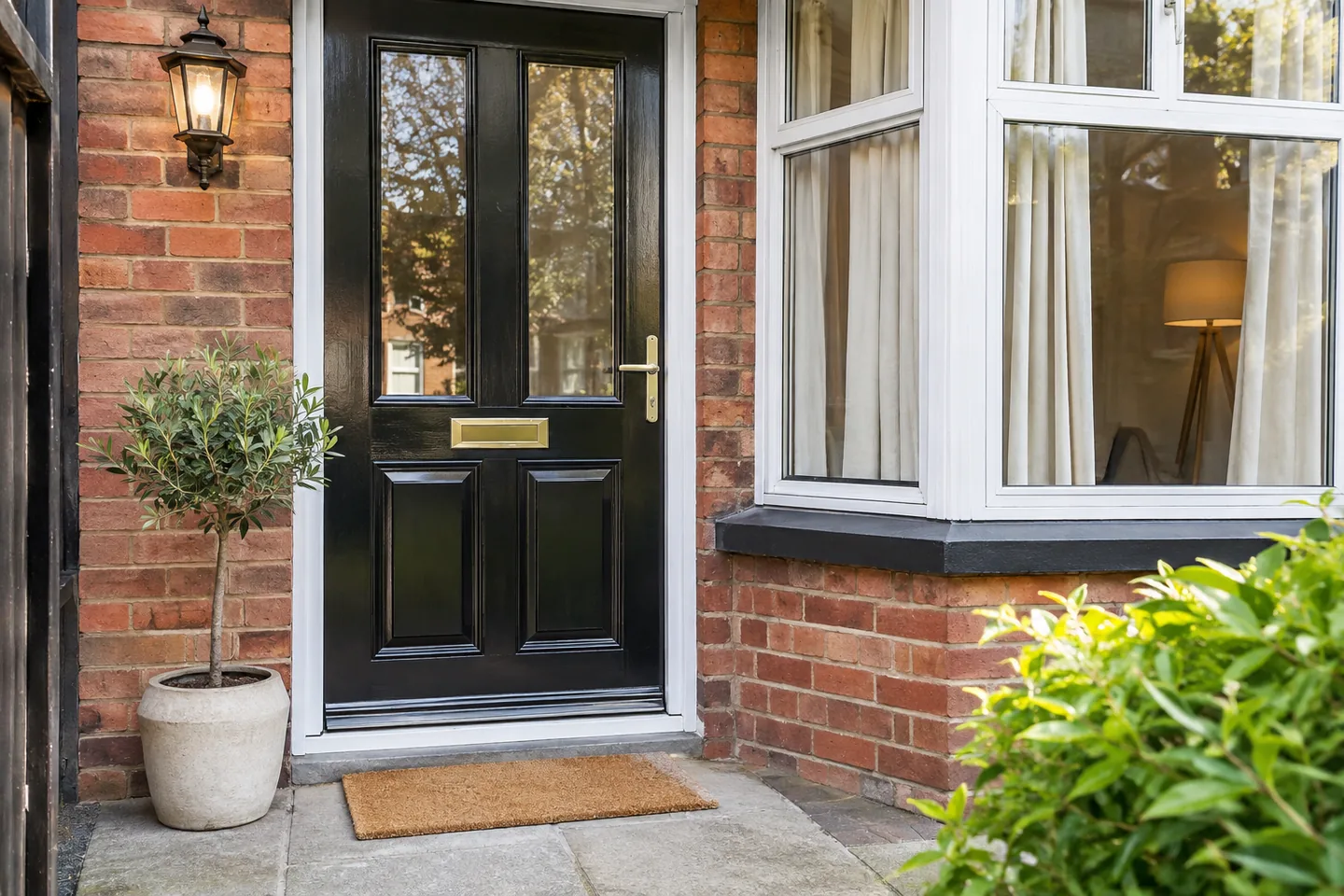
A clear entrance, usable lighting and neatly fitted window dressings can make a property easier to understand during a visit. That does not mean every room needs new furniture or a new colour scheme. Start with items that are broken, badly positioned or visibly unfinished, then decide whether a small change genuinely improves the use of the space.
If the property is furnished, check that doors and drawers operate and that the intended furniture can be used. Curtains, mirrors and artwork need suitable supports as well as an appealing position. A few deliberate finishing touches usually provide a clearer result than adding lots of accessories immediately before a viewing. Keep the work proportionate to the condition and purpose of the property.
Leave time for a final review.
Return to the list after the work and cleaning are complete. Confirm what has been done, keep the relevant instructions with any new fittings and identify anything still awaiting attention. Agree who will answer questions at handover. This is more reliable than relying on memory, especially when several people have organised different parts of the preparation.
The timetable should allow for deliveries, access and the materials used, rather than assuming every task can be completed on the final day. The related article on small repairs that keep being postponed looks at why a clear list matters. A well-prepared property is one whose condition and remaining jobs are understood, not simply one that photographs well.
Put the work in a useful order
| Stage | Main purpose | Useful record |
|---|---|---|
| Review condition | Identify faults and access issues. | Room-by-room notes and photographs. |
| Arrange work | Discuss repairs, finishing and the appropriate trades. | Agreed tasks, products and access contact. |
| Final clean and handover | Review the property after the work. | Completed work and anything still waiting for attention. |