
HOME NOTES / HANDYMAN IN LONDON
Ten familiar jobs on a London home’s list.
A practical look at the repairs and installations people often mean when they ask for handyman help.
IN THIS ARTICLE
A request for a handyman can mean very different things. One household has a bed waiting in boxes; another needs a curtain pole fitted or a cupboard door adjusted. Looking at familiar examples helps explain the sort of information that makes an enquiry useful. These ten categories bring together work discussed across the site, while keeping the differences between assembly, fitting, decoration and specialist repairs visible.
01
Furniture assembly.
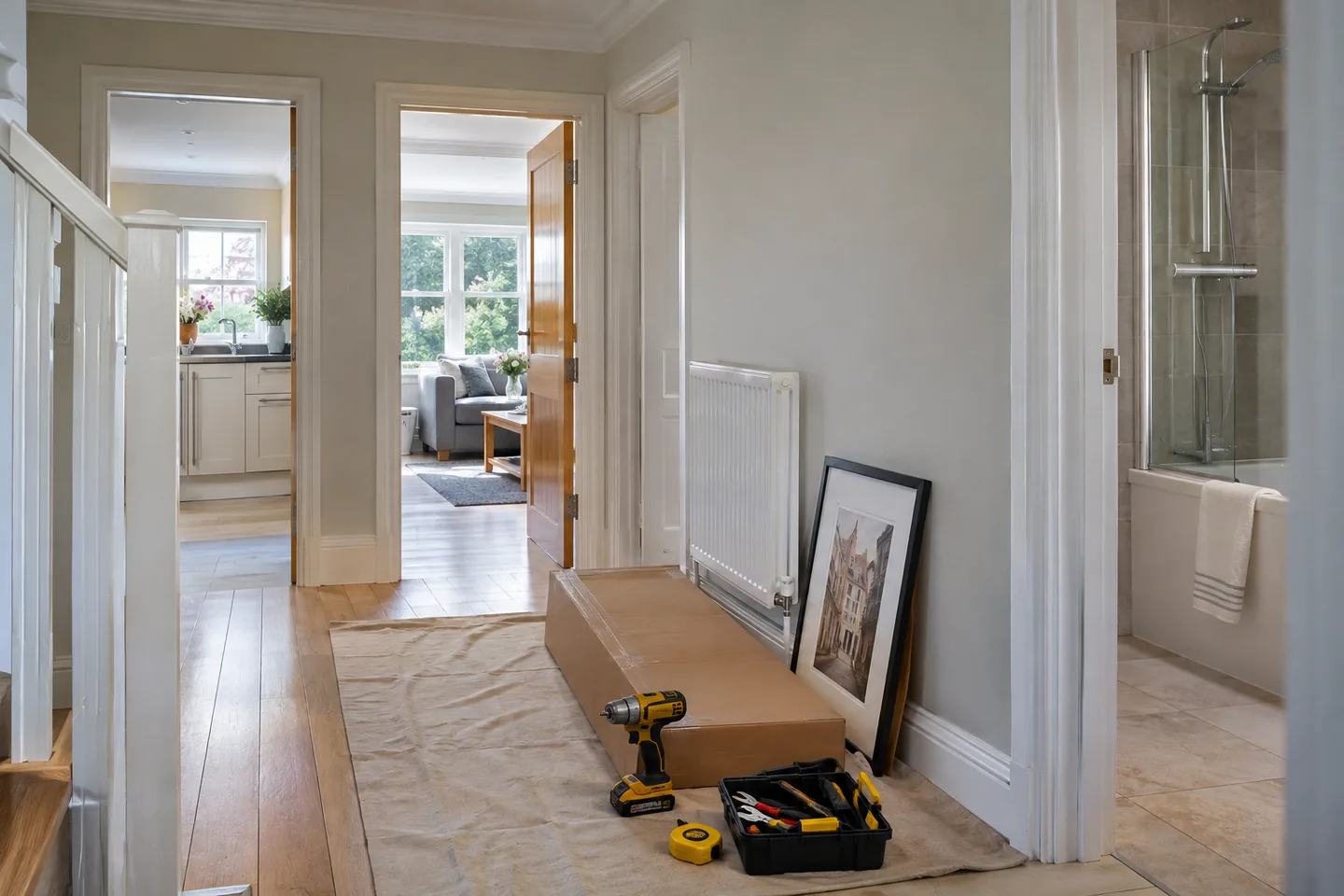
Beds, wardrobes, desks and garden sets all begin with a product rather than a standard amount of work. Send the model, the number of items and the intended room when arranging assembly. The packs need to have arrived, and the working area needs enough space for both the components and the finished piece. The furniture assembly page explains those preparation details.
A partly built item needs its own description. Explain what has already been assembled, what is missing and whether any component has been damaged. That is more useful than assuming it can be treated in exactly the same way as an unopened kit.
02
TVs, shelves and wall units.
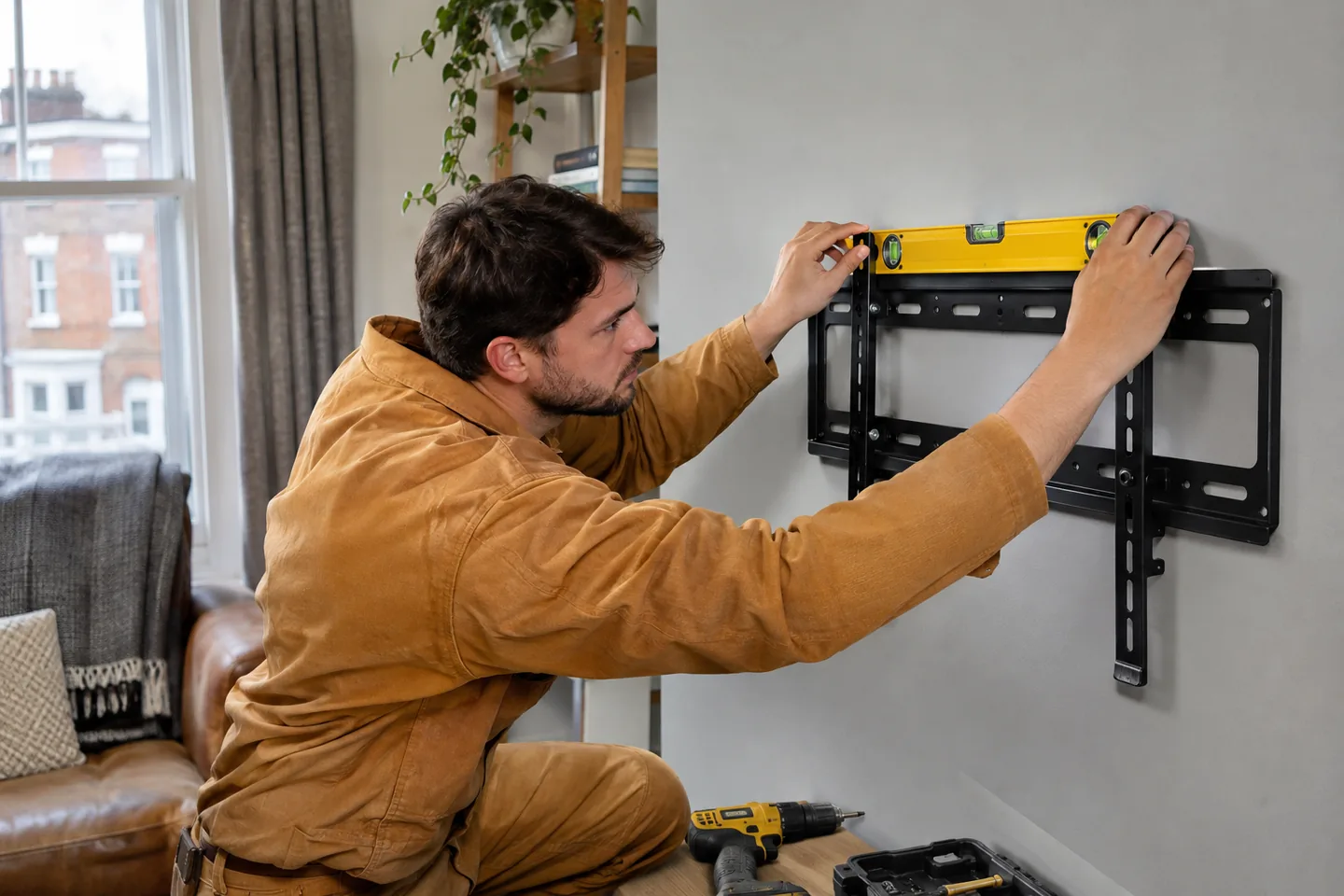
Wall mounting involves the item, its supports and the surface that will carry it. Dimensions, weight and product details matter alongside the position you prefer. A photograph of the wall helps show nearby fittings and access, but it does not replace an assessment of the supporting material.
For a TV, include the screen and bracket details. For storage, explain what the unit is intended to hold. The TV mounting information illustrates why compatibility and access to connections need to be discussed before fitting.
03
Household plumbing repairs.
A dripping tap, a problem at a basin or a visible leak should be described as a plumbing task when making an enquiry. Explain the fitting, what happens and where water is appearing, with photographs if possible. It may need the appropriate specialist and a separate rate from general handyman work.
Do not let the word “minor” stand in for those details. The amount of work cannot be judged solely from the size of the mark or the inconvenience it causes in daily use.
04
Painting and wall touch-ups.
A scuffed wall, an area left after removing a fitting and a whole-room repaint involve different preparation. Identify the surfaces, their condition and the finish you want. Include the ceiling or woodwork in the enquiry if it is part of the job, rather than assuming it will be included.
Material supply and access need agreement too. A fresh coat is only one part of decorating; the existing surface and the surrounding floor and furniture affect the work that must be planned.
05
Door and cupboard adjustments.
A sticking internal door or a cupboard with uneven gaps is easier to assess when you explain exactly where it catches or moves. Mention whether the fault is new, whether it has been adjusted before and whether something else changed, such as flooring being fitted.
The material and existing fittings matter. Suitable timber work, a loose hinge and a damaged surface may call for different responses, so avoid choosing an adjustment before the item has been assessed.
06
Tiles and tiled-area repairs.
When describing a tiled area, include its location, condition and the work you hope to have done. A loose tile, a damaged edge and a new splashback are not interchangeable jobs. Photographs and measurements help explain the area, while the existing surface may affect preparation.
Keep a cosmetic refresh separate from an unexplained fault around a wet area. A proposed new finish should be considered with the condition beneath it rather than used to conceal something that needs investigation.
07
Curtains, poles, tracks and blinds.
Window dressings need a position that suits the opening and a support method appropriate to the product and surface. Send the fitting details and explain whether an existing pole, track or blind is being removed or replaced. High ceilings and restricted access should be mentioned at booking.
A product that appears similar to the old one may still have different brackets or operating requirements. Keeping the instructions with the fitting helps the work follow the actual design rather than an assumption.
08
Floor fitting and existing floor concerns.
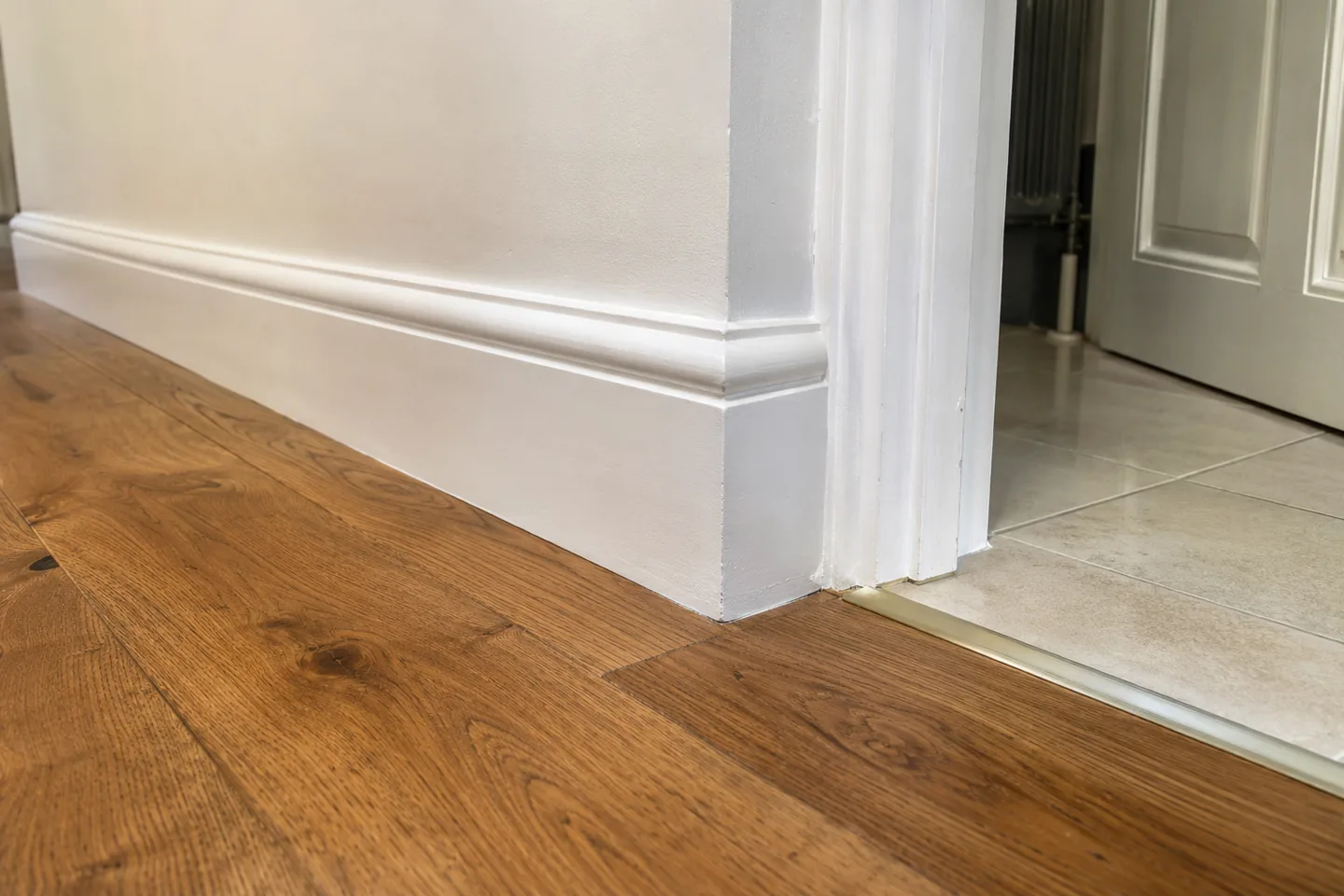
The proposed flooring material, room layout and current surface all matter when discussing a new floor. Thresholds, skirting and furniture affect the working area, so include them in the description. An issue with an existing floor should be assessed rather than automatically described as a quick patch.
The intended result and the condition underneath need to be considered together. A choice based only on the visible finish can leave important preparation questions unanswered.
09
Assembling garden furniture.
Outdoor furniture can also arrive as a collection of components and fittings. The product details, quantities and a suitable assembly area are useful information before the appointment. Keep the supplied hardware and instructions with the pieces, and explain any handling or access difficulty.
This category does not make every outdoor building or landscaping project the same type of work. A furniture assembly enquiry should remain distinct from larger alterations to a garden or the property.
10
Pictures and mirrors.
The final fittings on a wall deserve as much thought as the larger furniture in the room. Position, spacing, weight and the existing hanging supports all influence the work. A group of pictures needs a considered arrangement, while a mirror also needs a useful reflection and a support method suited to the wall.
For a closer look at these choices, read the article on wall upgrades that work together. Across all ten categories, a clear list and the right product information are a better starting point than a promise that every task can be completed in one standard visit.