
ROMFORD / REPAIRS, FITTING & FINISHING
Handyman Romford
Keep the useful pieces working in the room.
We help customers in Romford review the household fittings they want to keep using and the new items they want installed around them. We assess suitable timber repairs and adjustments, assemble supplied furniture and fit shelves, mirrors, pictures and window coverings. Decorating, flooring and bathroom improvements can be discussed alongside the list, with the appropriate specialist involved for plumbing or electrical work. Tell us which pieces are staying, what needs attention and how the finished room should work, so we can review a useful plan with you.
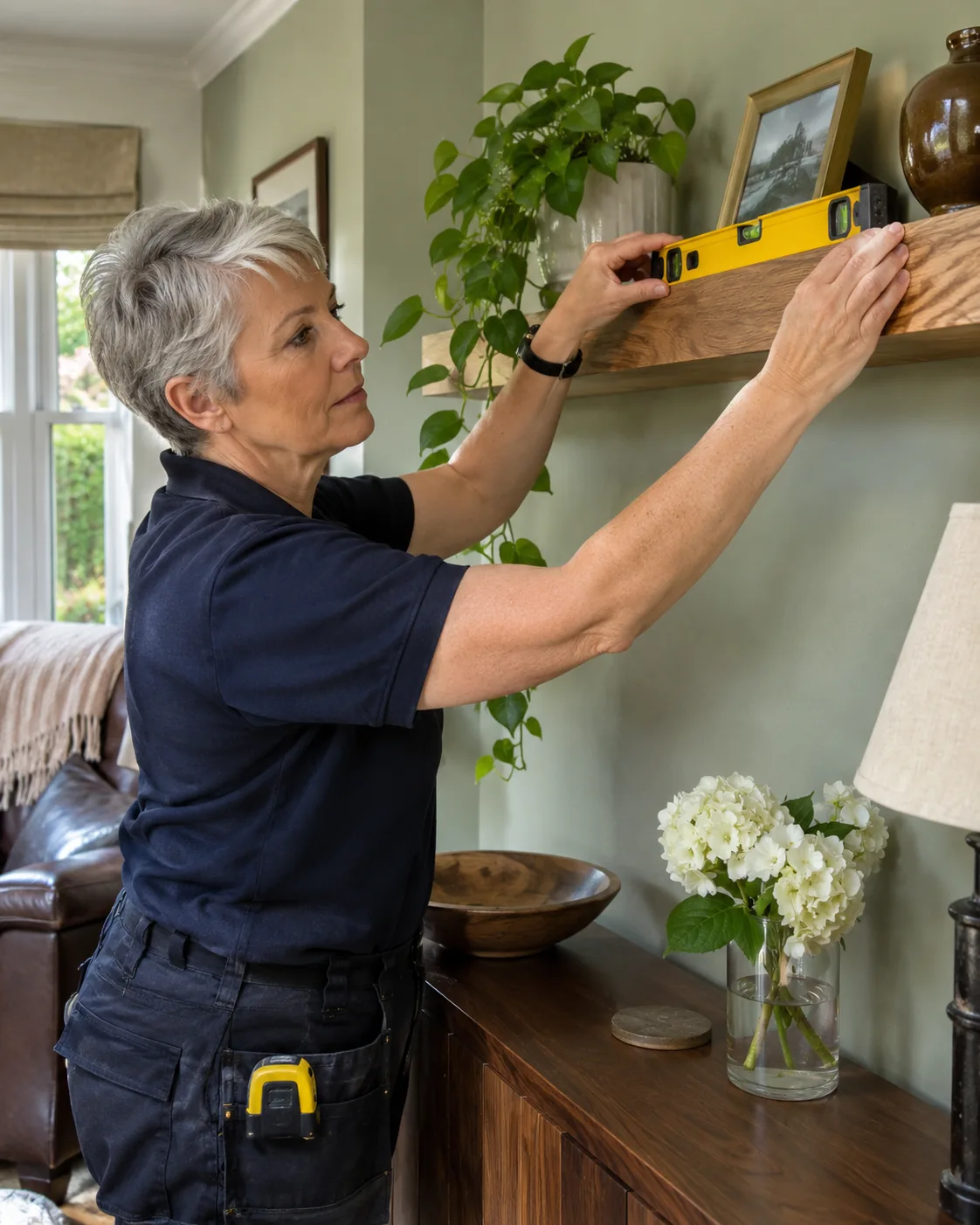
Can you assess existing Romford furniture alongside new fitting work?
Send photographs of the items you want retained and describe the movement or damage needing attention. Add the new product details and full Romford postcode. We review suitable repairs and assembly separately, then discuss how their positions and preparation relate to the finished room, including the materials and access needed for the proposed work.
What information helps when moving an existing fitting?
Show its present location, available product information and proposed new position. Include dimensions and any mounting or restraint instructions you have. We discuss removal, handling and the supporting arrangement at the new location with you, helping the enquiry cover the practical steps involved in repositioning the item and using it in the room.
THE WORK WE DO
Handyman Services We Provide in Romford
A retained piece can need adjustment, repair, repositioning or simply a new fitting beside it. Describe the intended outcome for each item. We review these services with its material, condition and room context available, identifying useful preparation and any connected trade requirements while discussing the proposed appointment.
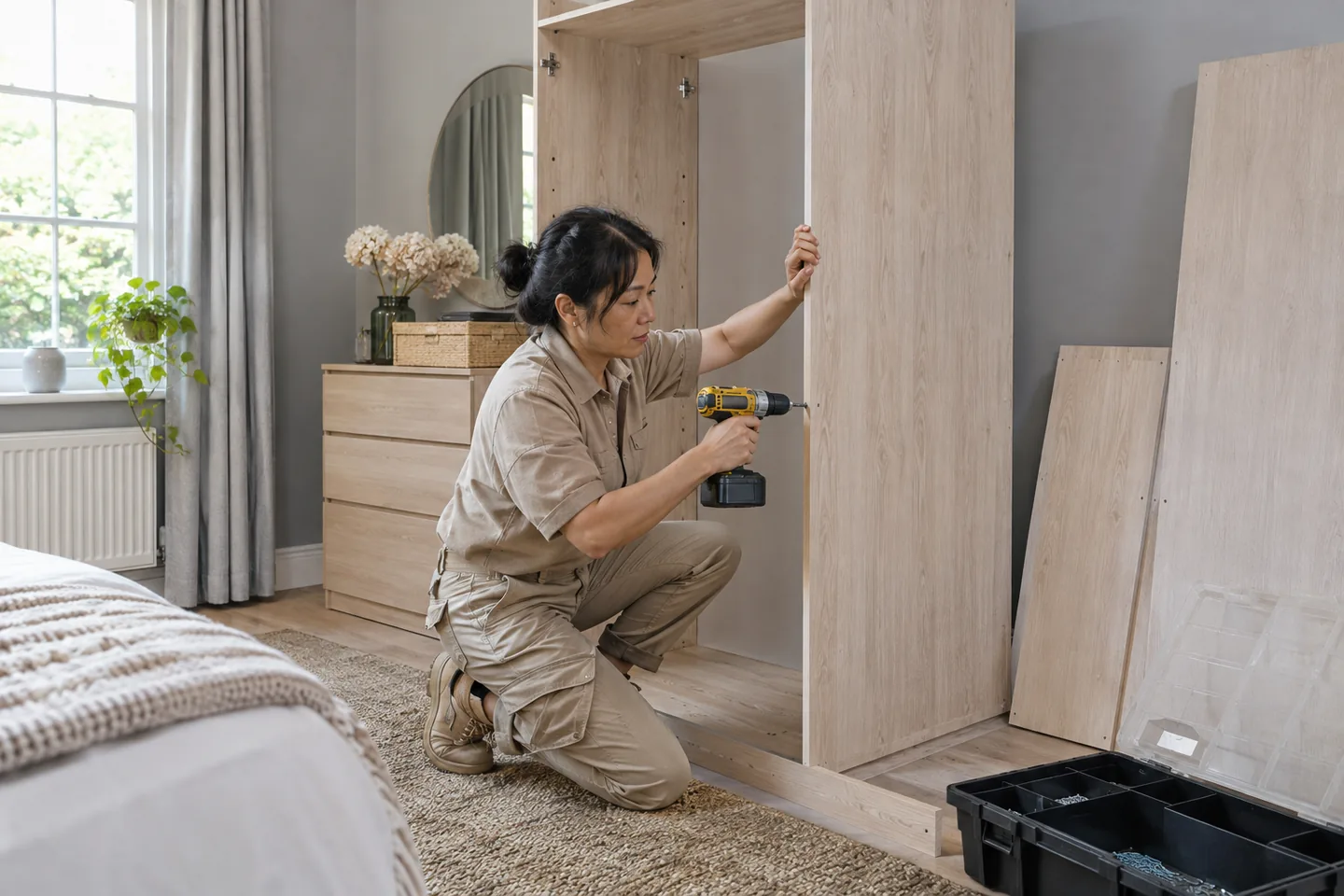
Furniture assembly ↗
We assemble supplied furniture that will sit alongside the items you are keeping. Share the product reference and finished arrangement so components, moving parts and any manufacturer restraint can be reviewed with assembly access and the intended furniture positions.
Wooden doors & carpentry ↗
We assess suitable wooden furniture and doors for repair or adjustment. Tell us what you want to keep using and describe the fault in operation, helping us review the material and hardware before agreeing the practical work for that item.
Shelves & fitted units ↗
We fit appropriate shelves and wall units after reviewing their supports and intended contents. If an existing unit is being repositioned, include its instructions and present arrangement so the new fixing location can be discussed with useful product information.
Television mounting ↗
We install compatible television brackets and mount screens where the room arrangement has been agreed. Provide the TV and bracket references and show retained furniture nearby, allowing handling and any separate connection request to be reviewed before fitting.
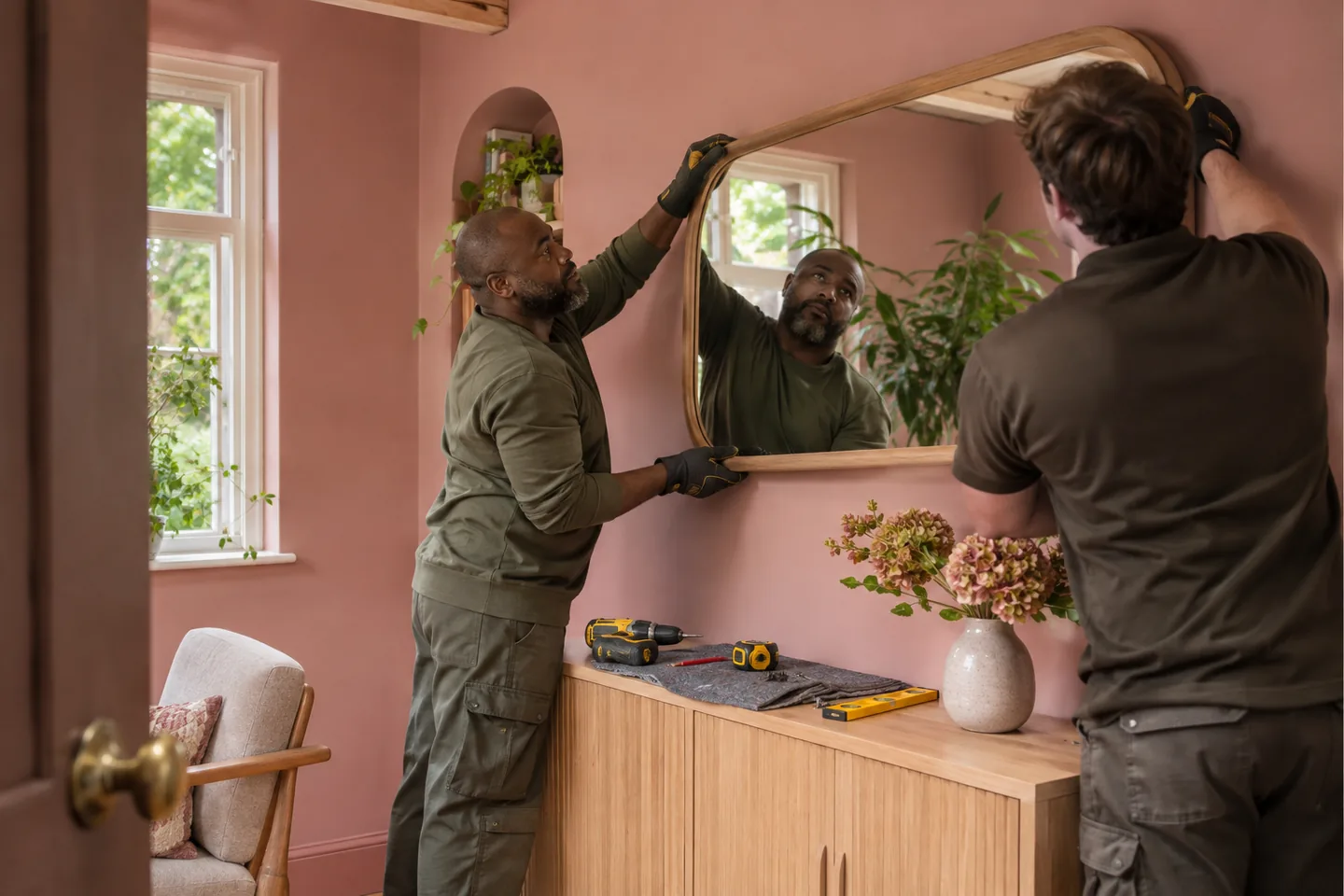
Mirrors ↗
We fit mirrors using mounting provisions considered against the item and supporting location. For a retained mirror moving elsewhere, send its dimensions, weight and available fixing details so removal, handling and the new position can be discussed together.
Pictures & artwork ↗
We hang pictures and rearrange artwork around the approved furniture layout. Identify which pieces and supports are being retained, and provide frame dimensions so spacing, alignment and suitable hanging arrangements can be reviewed before fixing.
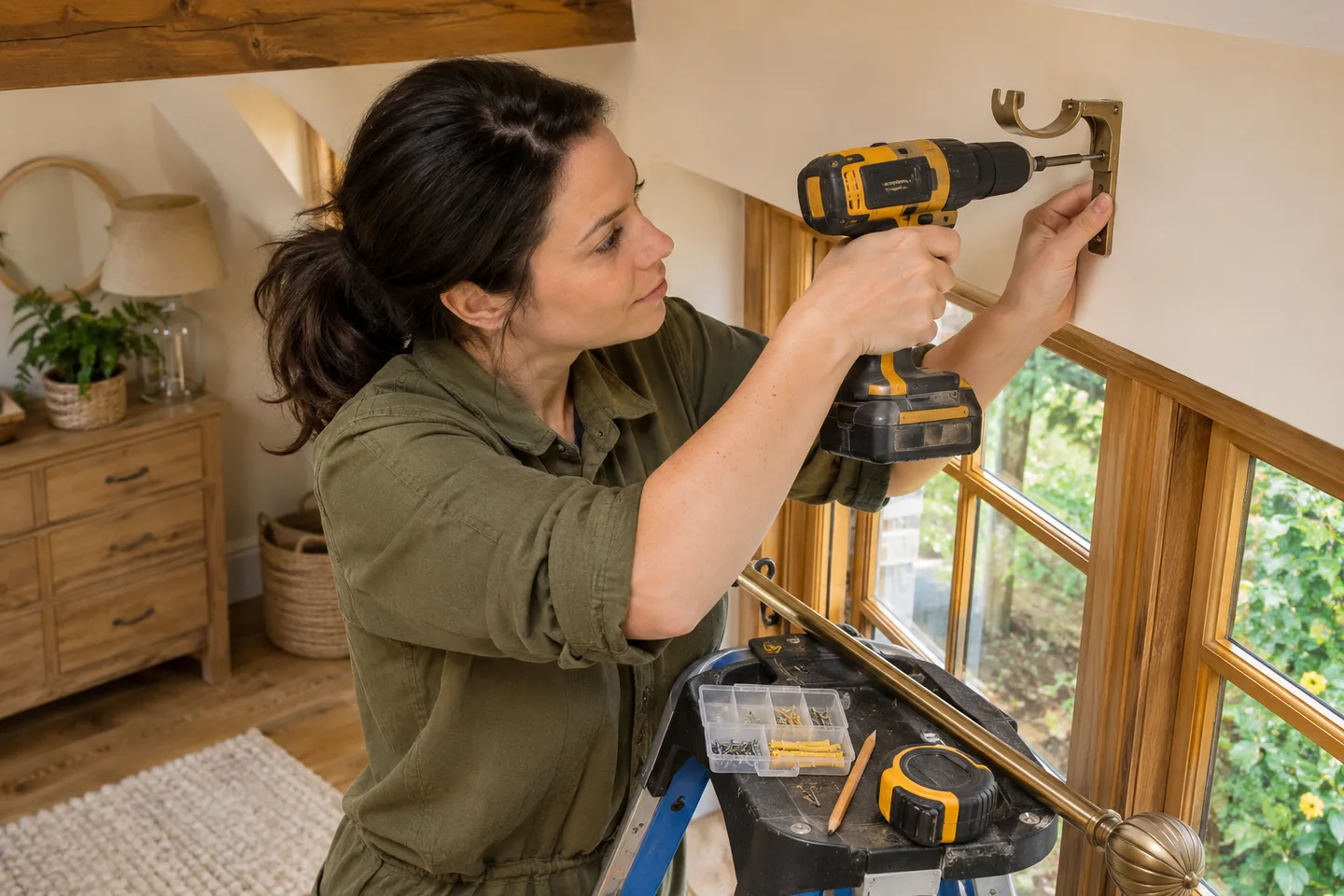
Curtain poles & tracks ↗
We fit supplied curtain tracks and poles and hang the curtains included in the enquiry. Tell us whether an existing system is staying, moving or being replaced, keeping its components and the new product instructions clearly identifiable for review.
Blinds ↗
We install suitable blinds and check their operation after fitting. Show the intended window and provide the system details, including brackets and safety components, so the supplied arrangement can be reviewed with surrounding furniture and access.

Painting & decorating ↗
We prepare and paint agreed surfaces around the items staying in the room. Describe the finish wanted and any furniture being moved, allowing protection, surface preparation and final fitting to be considered together in the proposed work sequence.
Floor fitting ↗
We fit agreed flooring after reviewing the present covering and supporting surface. Explain retained furniture and its handling requirements, together with thresholds or wooden doors needing related attention, so access and finishing requests can be discussed before installation.
Wall & floor tiles ↗
We lay suitable tiles with preparation and the intended layout reviewed beforehand. Photographs of retained fixtures and adjoining finishes help us discuss the materials, exposed edges and practical work required around the area being changed.
Bathroom improvements ↗
We discuss bathroom refurbishment around the fixtures you intend to keep and the changes proposed. Product information and room photographs support a coordinated review of preparation, plumbing, tiling and fitting with the relevant trade requirements identified.
Plumbing work ↗
We arrange appropriate plumbing help for repairs and installations described in the enquiry. Show the existing fixture and any retained cupboards affecting access so the specialist can review the work and separate published plumbing arrangements with useful context.
Electrical work ↗
We review electrical repair or installation requests with the appropriate specialist. Identify the existing fitting and intended change clearly, including lighting or appliance proposals connected to retained furniture, so the relevant work can be discussed separately within the list.
Identify the pieces you want to keep using.
Tell us which furniture or fitting is staying and what attention you want it to receive. A drawer that moves unevenly, a wooden door that catches and a shelf needing assessment are different requests. We review the relevant material and condition, using photographs and your description of everyday use to understand the useful result you want.
Include any available product reference, instructions or known earlier repair. These details can help identify components and the intended arrangement. We discuss the item as it exists now, with its current position and surrounding furniture visible, giving the repair or adjustment enquiry a practical context before appointment arrangements are agreed.
HOW WE ARRANGE THE WORK
01
Identify retained pieces
Describe the existing items and useful improvements wanted.
02
Show the new arrangement
Include new products and any positions being changed.
03
Review practical work
We discuss repairs, supports, preparation and relevant trades.
04
Check the outcomes
Review completed movement and fitting against the agreed list.
Show how new products relate to the retained ones.
A supplied cabinet or desk may change the way other furniture is used in the room. Send its finished dimensions and preferred position, and identify the pieces that will remain around it. We review assembly space and the final arrangement with the product instructions available, including any specified joining or restraint provisions.
Add hanging and shelf requests to the same room plan when their position depends on the furniture. A marked photograph can communicate the preferred relationship between pieces. We discuss useful sequencing and identify decisions that need an authorised contact, helping the final fitting work follow the arrangement you have chosen.
Describe the present fault and the desired improvement.
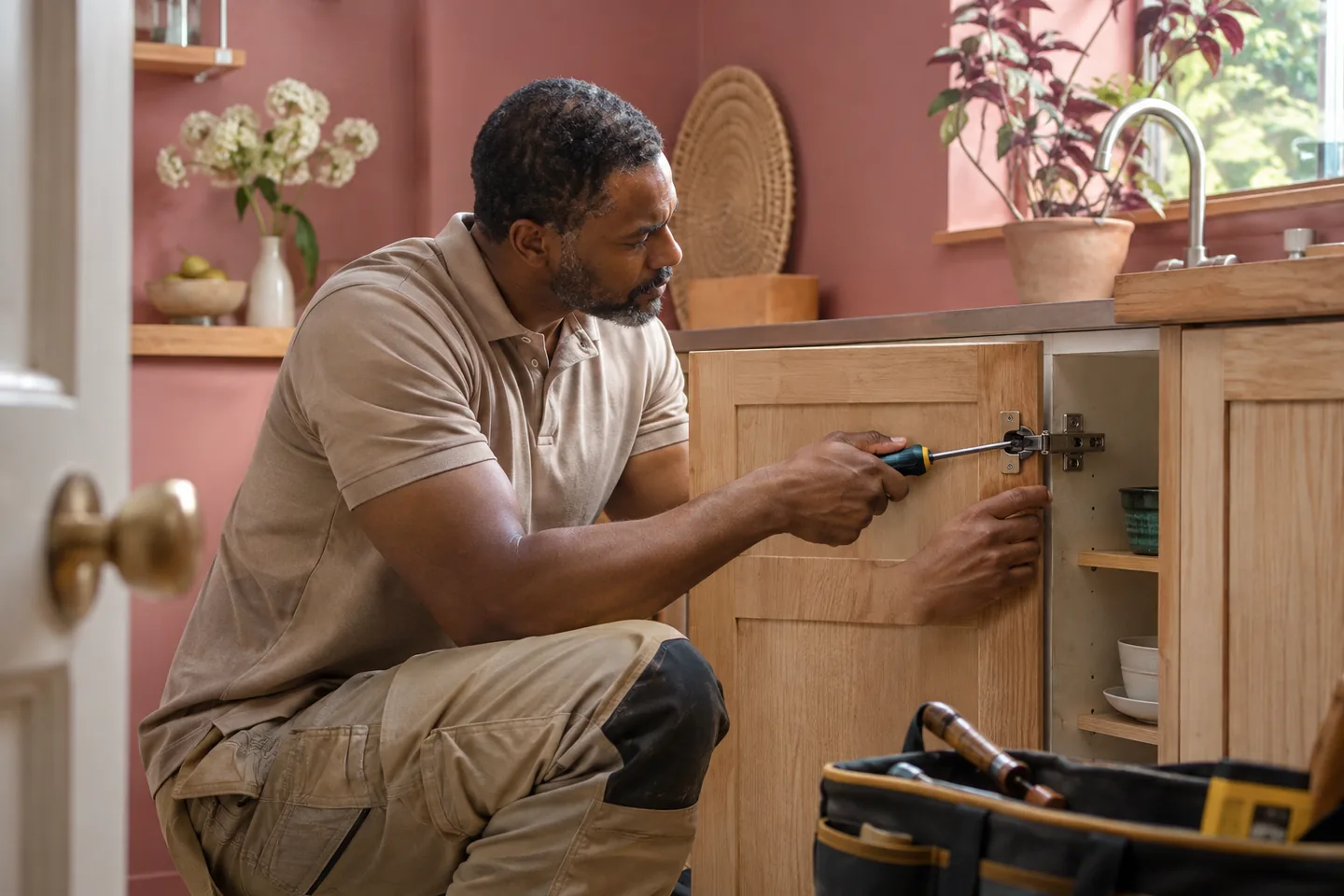
Explain what happens when you use the item, where the problem appears and any change you know is relevant. A wider view and a close detail are useful together. We assess suitable work against the existing timber or fitting and discuss the proposed repair in terms of the operation or finish you want improved.
If you have already bought a component, keep its reference and packaging available. We review it with the existing item and explain any additional information or material needed. This gives you a clear conversation about the practical next step, including a replacement part or further assessment where that is relevant to the work being considered.
- Mark furniture and fittings that are staying.
- Describe the existing problem in use.
- Provide both positions for items being relocated.
- Keep available product and repair information together.
- Explain the finish wanted around old fixing points.
Review the old and new positions when relocating an item.
A wall-mounted unit or large mirror needs its present fitting and proposed location discussed together. Show both positions and explain how the route passes through the property. We review handling, available product information and the support needed at the new location, including any assistance expected with a heavy or awkward piece.
Tell us what should happen to marks or holes left behind at the earlier position. Removal, making good and decorating are useful parts of the enquiry to identify. We discuss the desired finish and relevant surfaces so the work covers the change you want in the room, alongside the installation at the new position.
Retained items: details that help the assessment
| Item | Useful description | Supporting information |
|---|---|---|
| Wooden cupboard | Movement or damaged part | Hinge and wider photographs |
| Existing shelf | Condition and intended contents | Available mounting instructions |
| Mirror to move | Current and preferred positions | Weight and handling route |
| Furniture staying | Finished room arrangement | Clearance around new products |
Prepare around the belongings that remain.
We consider the work area and surrounding surfaces when discussing protection. Identify furniture that cannot be moved readily and clear small valuables from the immediate location after preparation is agreed. Tell us if access needs to be maintained to part of the room, allowing the practical working arrangement to be reviewed with the tasks involved.
Provide relevant entrance and floor information for the Romford address, plus building procedures or unloading details where needed. We discuss those alongside product dimensions and the route to the work. Keep components and packaging organised in an agreed place so retained belongings and the path through the property can be considered during the appointment.
Bring surface changes and specialist requests into view.
A new floor or decorative finish can affect the order in which retained furniture is moved and fittings are adjusted. Describe the surfaces and chosen products and tell us about related work already arranged. We discuss those dependencies with you while preserving the priorities of independent repairs that can be reviewed in their own right.
Plumbing and electrical requests should be identified clearly within the list. We discuss the appropriate specialist and separate published rates, including access around retained cabinets or other fixtures. This lets the appointment conversation account for different trades and shared working areas while keeping the requested work understandable to the person authorising it.
What changes with a new position?
| Decision | Related work | Question to discuss |
|---|---|---|
| Move a wall unit | New supporting location | Which product provisions apply? |
| Relocate a mirror | Handling and access | What route is available? |
| Expose an old fitting point | Surface preparation | What finish is wanted? |
| Add new furniture | Existing moving parts | How will the room be used? |
Check what has improved on the items retained.
We review the relevant operation and finish after the agreed work. A cupboard door, drawer or blind can be checked through its intended movement, and a relocated mirror or shelf against the position approved with you. Keep the item list and layout available to the nominated contact receiving the appointment.
We explain completed tasks and any component, further assessment or specialist request still needing a decision. Packaging, immediate work debris and agreed removal arrangements can be reviewed in that conversation. This gives you a useful account of both the retained items addressed and the new products assembled or fitted around them.
Discuss useful repairs with the relevant rate information.
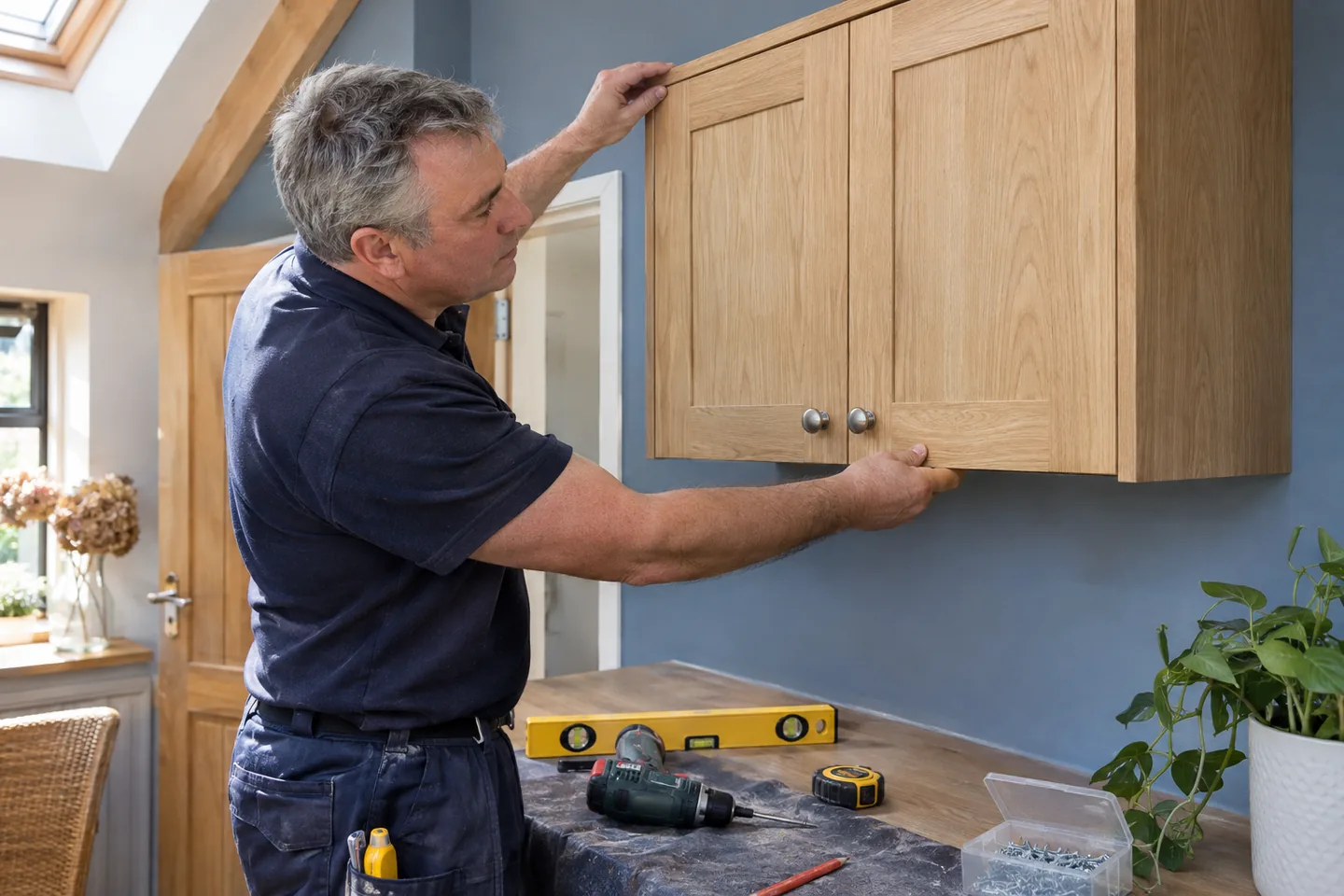
Send the full Romford postcode, item photographs and product references with your priorities. We review the practical work, materials and access before discussing suitable booking arrangements. Published general handyman, plumbing and electrical rates are separate, allowing the relevant trade information to be explained against the tasks actually included in the enquiry.
The Prices page sets out minimum appointments, material sourcing and additional expenses. A project expected to take more than a day requires an on-site viewing under the published conditions. Raise requested purchases, relocation and finishing requirements early so the appointment discussion reflects the complete repair and fitting proposal you want considered.
BEFORE YOU BOOK
Questions about handyman work in Romford
A few practical details to help you prepare your enquiry.
Can I ask about keeping a Romford cupboard in use?
Describe its condition and the movement or damage needing attention. We assess suitable repair or adjustment with the relevant material and fitting in view.
Can a retained mirror be moved to another room?
Send its dimensions, mounting details and both locations. We discuss support, handling and the route through the property before agreeing the work.
Should new furniture be shown on the same room sketch?
Yes. Its dimensions and intended position help us review the arrangement around the pieces you are keeping.
Can decorating be discussed after a fitting is moved?
Include the desired finish at the old location. We review removal, making good and decorating as identifiable parts of the request.
What if I have a spare part from an earlier repair?
Keep it labelled with any reference or packaging. We can review it alongside the existing item when discussing suitable work.
How will retained items be reviewed after the work?
We check the operation and finish relevant to the tasks agreed, using your item list to identify completed work and any further decision.
ROMFORD / YOUR NEXT STEP
Tell us about the work. We’ll help plan the visit.
Send your full postcode and job list, with product details and photographs where helpful.