
HARROW / REPAIRS, FITTING & FINISHING
Handyman Harrow
Different rooms. One organised enquiry.
We help customers in Harrow organise repair and fitting requests across the rooms they use every day. We assemble furniture, fit suitable shelves and wall accessories, and assess wooden doors or cupboard fittings that need attention. You can include window coverings, decorating and larger improvement questions too, with plumbing and electrical requests reviewed by the appropriate specialist. Tell us which rooms and products are involved, who can approve decisions and what needs to remain accessible, so we can discuss the visit against a clear household list.
Can a Harrow enquiry cover several rooms with different priorities?
Yes. Group the tasks by room and tell us which outcomes matter most. Include photographs, supplied product references and the full Harrow postcode. We review the requirements for each job, including different trades or materials, before discussing suitable arrangements; the item details help us discuss priorities and practical preparation.
What should we agree between household members before fitting?
Agree the intended positions and identify one person who can approve changes during the appointment. A shared sketch or labelled photograph is useful when several people have requested work. We discuss practical fitting details with the authorised contact using the shelf heights, furniture positions and picture layout agreed by the household.
THE WORK WE DO
Handyman Services We Provide in Harrow
Group the service requests by their intended use, then include the product or existing fitting concerned. The following descriptions cover the real work we can discuss. We review each part of a multi-room enquiry, recognising that a simple hanging request, an assembly and a connected improvement may need different preparation or specialist arrangements.
Furniture assembly ↗
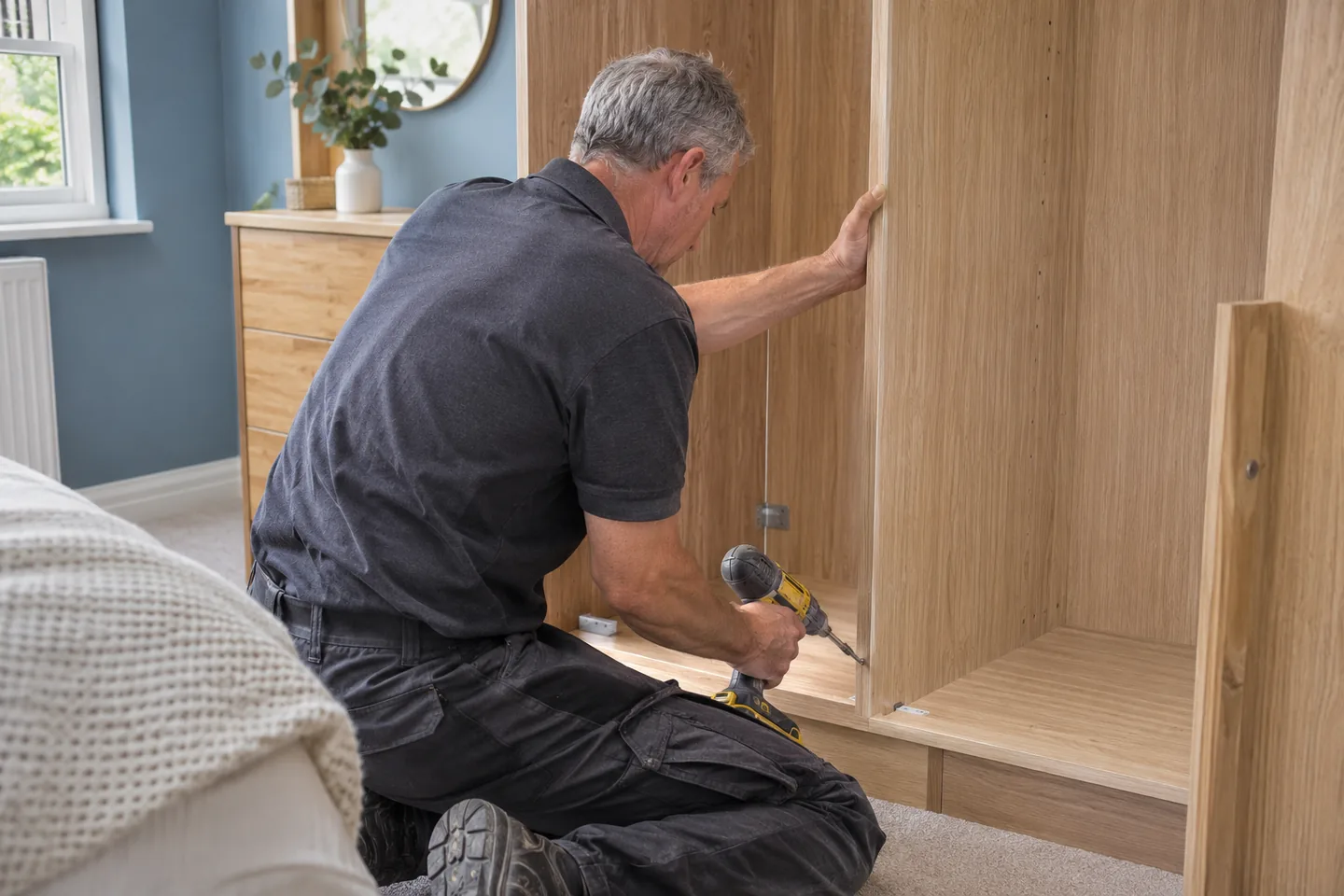
We assemble supplied beds, desks, wardrobes and other flat-pack products for the agreed rooms. Identify the model and intended position for each item, including joining or restraint instructions, so components and working space can be reviewed with components matched to the correct furniture item.
Wooden doors & carpentry ↗
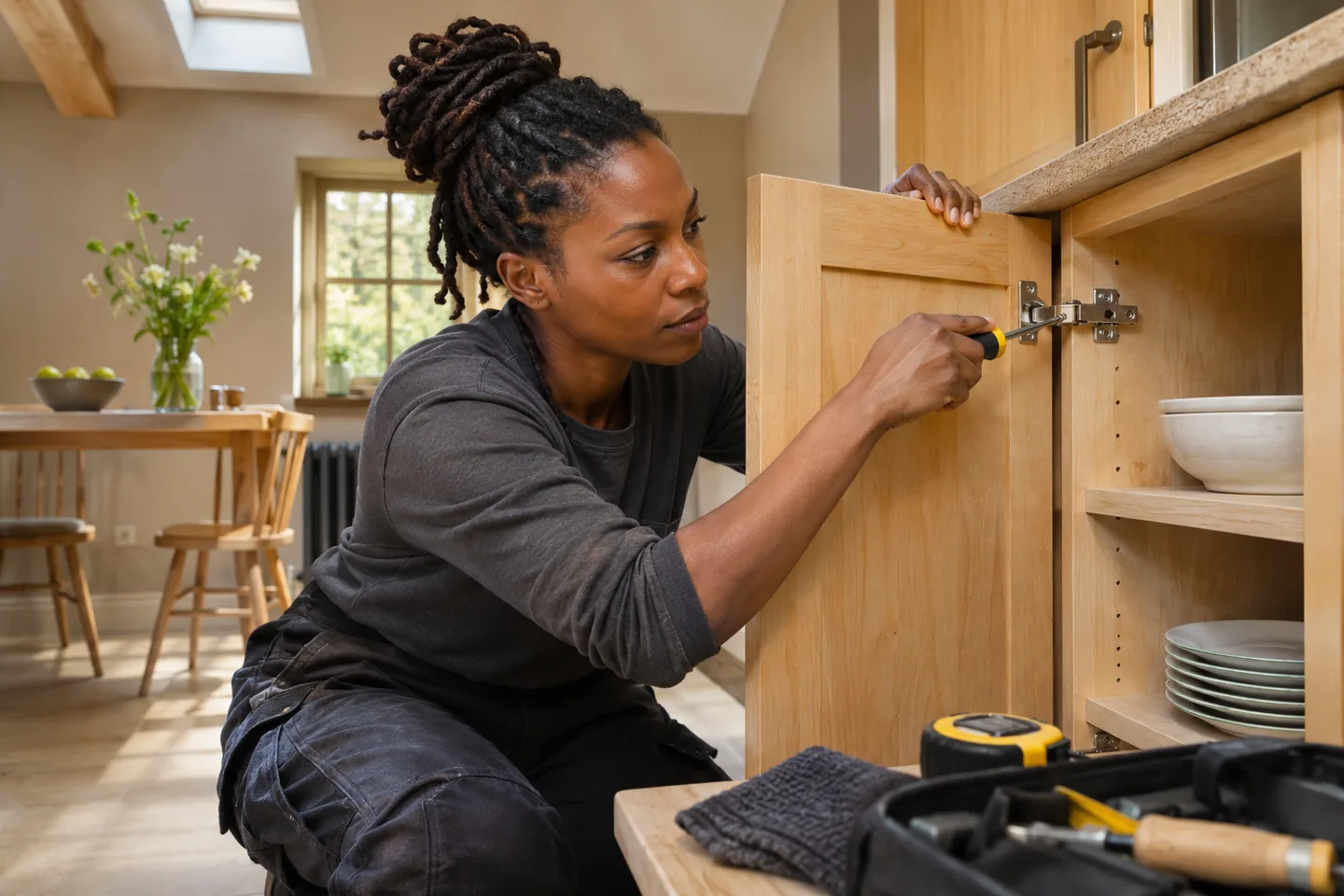
We assess suitable wooden doors and furniture fittings for repair or adjustment. Explain which room and item are affected and describe the problem in use, helping us distinguish a sticking door from a damaged hinge or another timber repair request.
Shelves & fitted units ↗
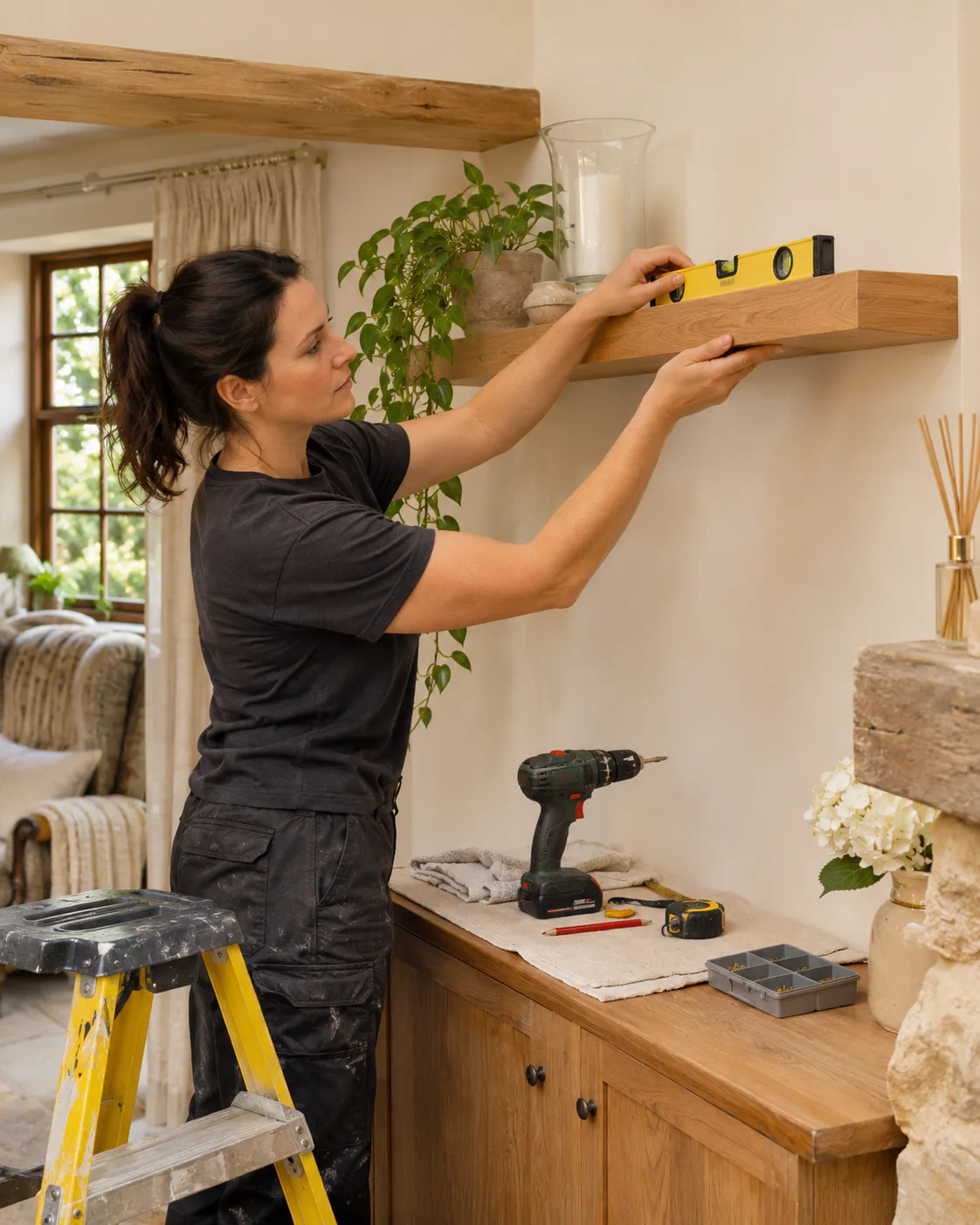
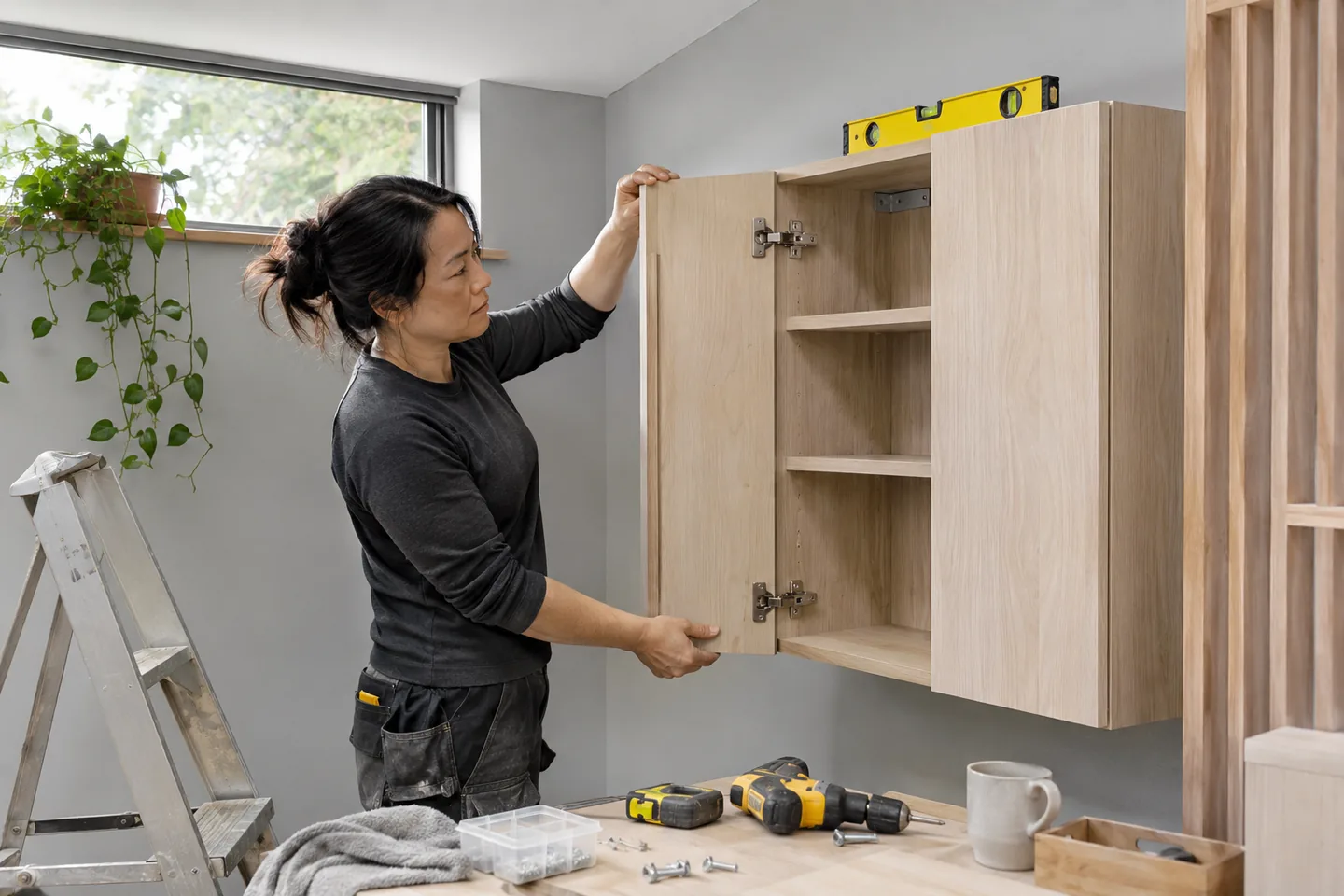
We fit shelves and suitable wall units with their intended use and mounting details considered. Give us agreed positions and product information so the supporting surface and proposed contents can be reviewed with your preferred positions marked for discussion.
Television mounting ↗
We mount compatible televisions on suitable brackets in locations approved with you. Send each screen model and bracket reference, and describe any connection changes separately so the relevant electrical requirement can be reviewed separately.
Mirrors ↗
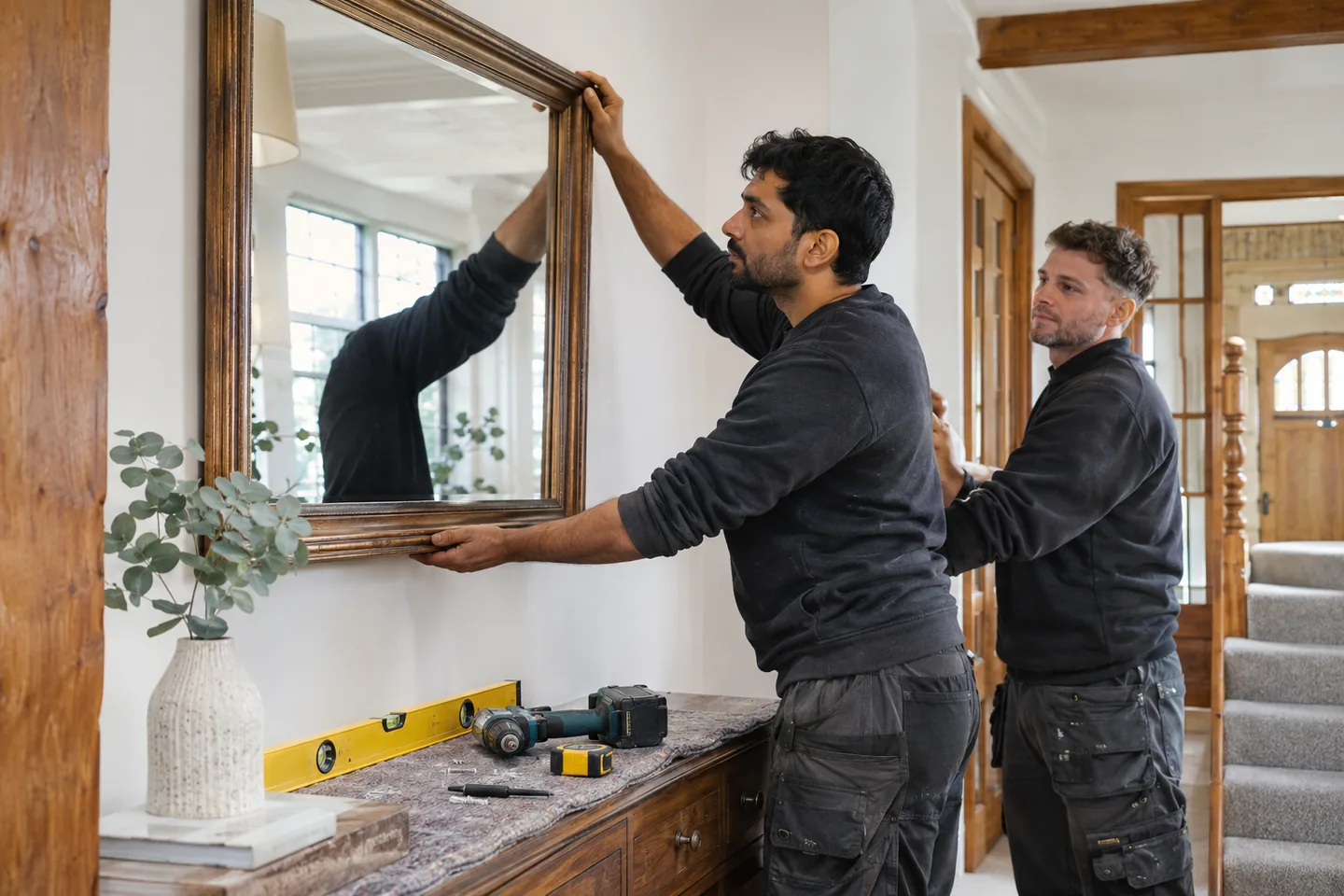
We install mirrors after reviewing dimensions, weight and the supplied fixing arrangement. Label the intended room and wall in your photographs so handling and positioning can be considered for the actual item with its own dimensions and mounting provisions available.
Pictures & artwork ↗
We hang pictures and grouped frames to an agreed layout. A labelled photograph helps us review spacing and supports, particularly where different household members have supplied artwork or the arrangement needs to relate to furniture already in place.

Curtain poles & tracks ↗
We fit supplied curtain tracks and poles and hang the curtains specified in the enquiry. Keep each window’s components and instructions together, allowing the mounting position, clearances and operating arrangement to be discussed for the correct set.
Blinds ↗
We fit suitable blind systems and review their operation and manufacturer safety provisions. Identify which blind belongs to each window so dimensions, brackets and fitting methods are not confused when several products are being installed around the property.
Painting & decorating ↗
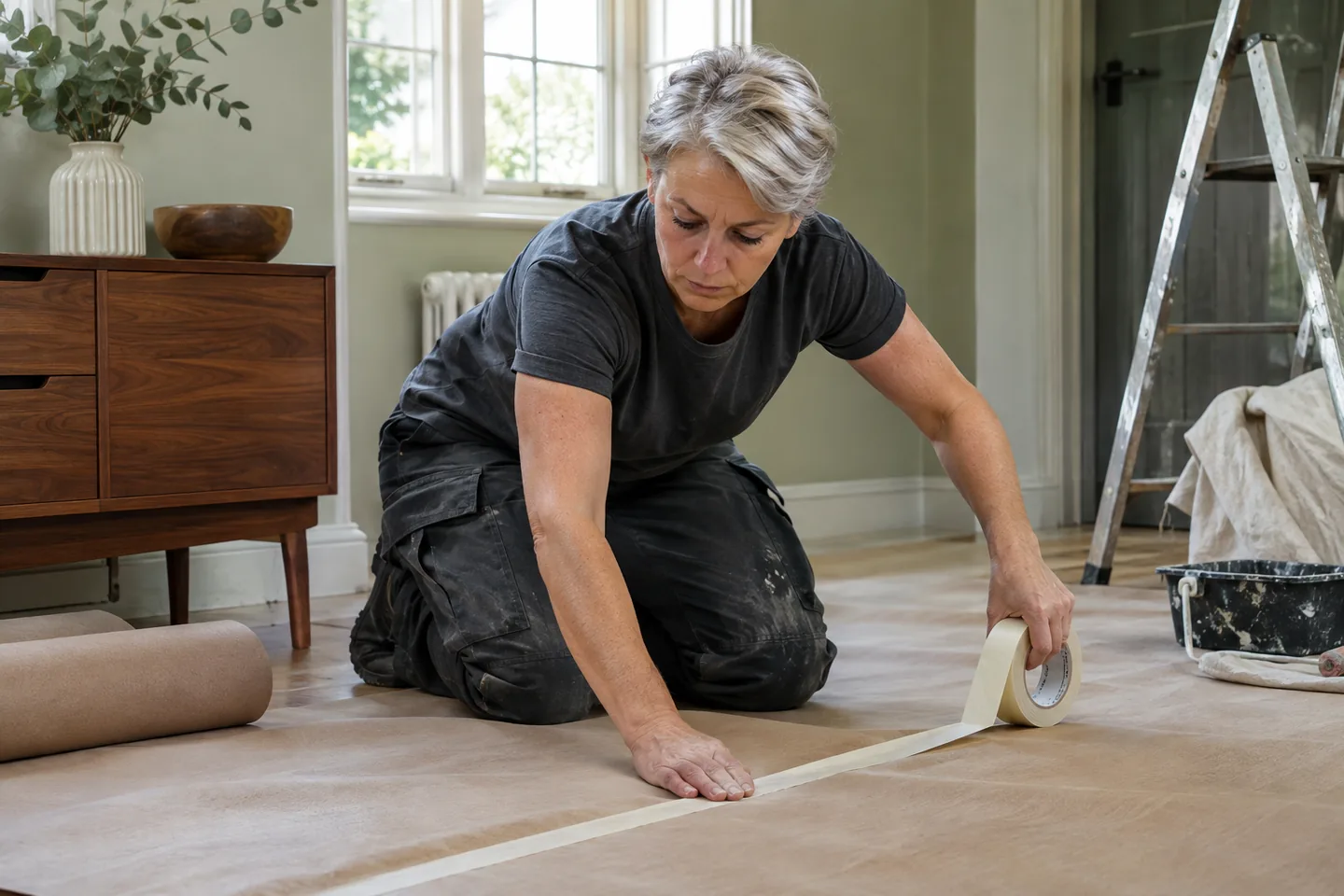
We prepare and paint agreed surfaces in the rooms included in the decorating request. Describe existing finishes and retained furniture, and identify related fitting work so protection and the sequence of preparation and final installation can be discussed.
Floor fitting ↗
We install agreed flooring after considering measurements, the present covering and the underlying surface. List the rooms and thresholds involved, including furniture or wooden doors needing separate attention, so the work extends beyond a simple area total.
Wall & floor tiles ↗
We lay suitable tiles with the surface preparation, pattern and finishing materials considered together. Tell us which walls or floors are included and provide product details, especially when different tile sizes or adjoining finishes form part of the same enquiry.
Bathroom improvements ↗
We review bathroom refurbishment as coordinated changes to fittings and finishes. Describe the fixtures staying in place and those being replaced, enabling the relevant preparation, plumbing, tiling and finishing tasks to be assessed before arrangements are agreed.
Plumbing work ↗
We arrange relevant plumbing work with the appropriate specialist. Identify the fixture and observed issue by room, giving clear access information so the plumbing requirements and separate published rates can be discussed within the wider household enquiry.
Electrical work ↗
We discuss electrical repairs or installations with the relevant specialist before confirming that work. State the intended change and existing fitting details for each location, keeping these requests distinct from general furniture assembly or accessory fitting.
Give each room a short, useful list.
A room heading followed by the item and requested result is enough to start the conversation. We ask for separate photographs where different fittings are involved, and a wider view when furniture affects the position. We use those labels to match each product or fault to its room and intended outcome.
Group requests by use and identify the materials or products involved. A supplied shelf ready to fit is different from an existing shelf needing assessment, and a boxed desk is different from furniture that has already been partly assembled. Those distinctions help us review what is known before discussing appointment arrangements.
HOW WE ARRANGE THE WORK
01
Group by room
Identify each item and the result wanted in that location.
02
Agree household decisions
Choose an authorised contact and mark preferred positions.
03
Review preparation
We consider products, access, materials and connected trades.
04
Check room outcomes
We review finished items and clearly identify what remains undecided.
Agree positions before the appointment discussion becomes a debate.
If several people use the property, decide who can approve the final fitting positions. We can discuss practical details with that person, but we should not have to resolve conflicting preferences about picture spacing, a television height or where a new cabinet will stand. Mark the preferred arrangement on photographs if that helps communicate it.
Tell us whether the person arranging the work will be present and who can be contacted if a finding changes the proposal. For rented property or a workplace, confirm any required permission for alterations. Identify the person authorised to approve drilling, replacement or additional work as well as the person providing access.
Explain what the household needs first.
Some tasks affect everyday use while others are finishing touches. Tell us which ones you most want reviewed and whether any depend on another job being completed. We discuss a sensible approach to independent requests with the priorities and preparation for each item clearly identified.
Also identify items still awaiting delivery or a product choice. We can discuss the information needed and identify tasks depending on those choices or deliveries. If you change a priority, let us know while planning the work so the appointment conversation reflects the items actually available and the outcome you want, with the latest room list available to the authorised contact.
- Put a room label on each product group.
- Agree one contact for fitting decisions.
- Separate important repairs from decorative additions.
- Identify rooms that need to remain accessible.
- Keep the shared list available for the final review.
Keep similar products clearly separated.
Different blinds, curtain fittings or furniture pieces may arrive with similar-looking bags of components. Keep labels and instructions with their matching products and identify the room they belong to. We review the supplied arrangement against the actual installation location with the correct brackets, restraints and instructions matched to each product.
If a component is missing, damaged or unsuitable, we explain the effect on the agreed work. Another product, a requested purchase or a return visit needs discussion before it is treated as part of the appointment. Published material sourcing conditions also matter when you ask us to obtain an additional item as part of the appointment arrangements.
A room list that the household can share
| Room detail | Write down | Reason |
|---|---|---|
| Existing fault | Item and observed behaviour | Repair assessment |
| Supplied product | Reference and room label | Correct components |
| Fitting position | Marked photograph or sketch | Shared approval |
| Priority | Essential or optional outcome | Useful order of discussion |
Plan the route between the working areas.
A multi-room list needs practical access to each location, not just space at the front door. Show us furniture or stored belongings affecting the route and tell us if a room must remain available for someone else. We consider tool placement and protection around the agreed jobs, with handling requirements raised before the visit.
Include the floor, entrance procedures and any relevant parking or unloading information for the Harrow address. Those details help us review practical access at the individual Harrow address. If you expect help moving a large piece of furniture, identify it separately so the people and space needed can be discussed.
Do not hide specialist work among general repairs.
A list may contain hanging work, a cupboard adjustment and a request involving a water or electrical fitting. Describe all of them, but keep the different tasks identifiable. We discuss the appropriate plumbing or electrical specialist and its separate rates with those specialist requirements identified alongside the assembly work.
Preparation also needs its own place in the list. If a room is being decorated or a floor replaced, tell us which surfaces and products are involved. We review how those changes affect later fitting and access, distinguishing genuine dependencies from tasks that can be considered independently with their own products and priorities identified.
Decisions to settle before work is agreed
| Question | Who provides it | What it supports |
|---|---|---|
| Where should it go? | Authorised household contact | Position review |
| Is alteration permitted? | Owner or responsible person | Relevant permission |
| Has the product arrived? | Person arranging delivery | Ready work list |
| Does it need another trade? | Full task description for our review | Appropriate booking arrangements |
Review each agreed item with the right person.
We check the relevant operation and finish of completed work, using the list to keep separate rooms and requests clear. Doors, drawers and blinds can be reviewed in use, and hanging pieces against the approved positions. The nominated contact should have your layout and know which details they are authorised to approve.
We explain any item awaiting a part, another assessment or a specialist appointment separately from completed work. We also discuss immediate debris, packaging and any agreed removal arrangements. A room-by-room review is useful when several household members requested tasks, because the final conversation can identify outcomes with each completed item identified against the household list.
Discuss a mixed list with the published conditions available.
Give us the full Harrow postcode, the room list and useful product references when making the enquiry. We review the work and access to discuss the relevant booking terms. Identify each trade requirement so we can review its published rates and appointment conditions with the household list.
Use the Prices page to review minimum appointments, materials, sourcing and other expenses. The published conditions require an on-site viewing for a larger project expected to take more than a day. Raise uncertain products and any requested purchases at this stage so the appointment is planned around the work actually being considered.
BEFORE YOU BOOK
Questions about handyman work in Harrow
A few practical details to help you prepare your enquiry.
Can different people contribute to our Harrow job list?
Yes. Combine their requests into one clear room list and identify an authorised contact who can approve practical decisions during the visit.
Should identical-looking blinds stay in their original packs?
Keep labels, instructions and components matched to each window. We review the brackets and dimensions supplied for each system against its intended window.
Can we leave one room out after sending the list?
Tell us before arrangements are confirmed so the enquiry can be reviewed against the work you still want considered.
Do you choose between different picture layouts?
We discuss fitting details, but the preferred layout should be agreed by you or the authorised contact before positions are approved.
What information does someone receiving the visit need?
Give them the list, product information and agreed permissions, and explain which changes they can approve or refer back to you.
Can a multi-room list still be a small enquiry?
Describe the actual items and priorities. The required work matters more than the number of room headings, and we discuss suitable booking arrangements accordingly.
HARROW / YOUR NEXT STEP
Tell us about the work. We’ll help plan the visit.
Send your full postcode and job list, with product details and photographs where helpful.